I2C accelerometer model MMA7455
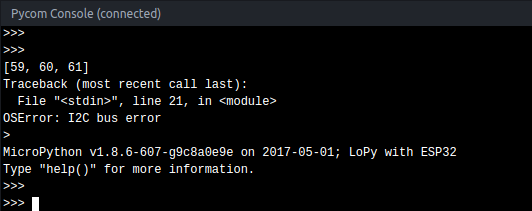
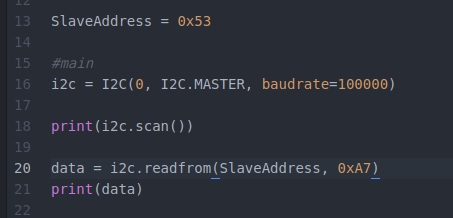
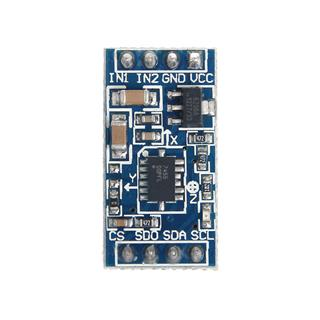
-
@pablocaviglia
try this insteaddata = i2c.readfrom_mem(SlaveAddress, 0x00, 1) -
@livius said in I2C accelerometer model MMA7455:
data = i2c.readfrom_mem(SlaveAddress, 0x00, 1)
Well... at least something changed!
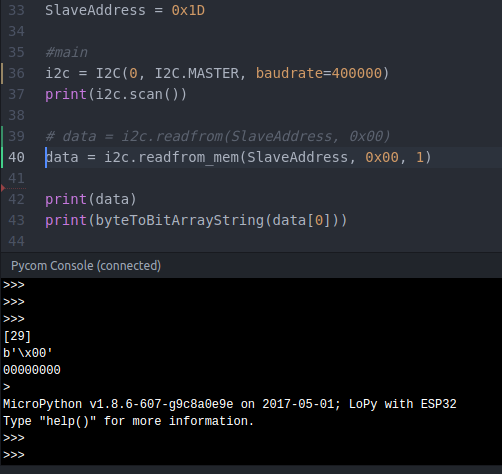
The 0000000 at the end is the way i found to show the byte in binary string. Btw is this way correct to do that ?
def byteToBitArrayString(rcv):
bitArrayStr = "1" if rcv&0 != 0 else "0"
bitArrayStr += "1" if rcv&1 != 0 else "0"
bitArrayStr += "1" if rcv&2 != 0 else "0"
bitArrayStr += "1" if rcv&3 != 0 else "0"
bitArrayStr += "1" if rcv&4 != 0 else "0"
bitArrayStr += "1" if rcv&5 != 0 else "0"
bitArrayStr += "1" if rcv&6 != 0 else "0"
bitArrayStr += "1" if rcv&7 != 0 else "0"
return bitArrayStr -
@pablocaviglia
for bin formatthing use:>>> bin(5) '0b101' >>> "{0:b}".format(5) '101' >>>to see more in memory
data = i2c.readfrom_mem(SlaveAddress, 0x00, 5) #increase value to 5 bytes from memoryand look what you get
-
@livius said in I2C accelerometer model MMA7455:
"{0:b}".format(5)
Uhhh good, looks much better than my awful function :D jajaja, sorry for breaking your eyes but didnt know that
-
@jmarcelino @livius @robert-hh
Hey all, thx a lot for helping me this last days with this driver. This is the code i have until now... it's a shame that i didn't make it, but i think that i could have broken the sensor when i plugged CS to 5v instead of 3V3.
I think i will buy another one, that will take some weeks until it gets to Uruguay :PAnyway, this is the code we've made until now, maybe it's useful for someone else. It's not throwing the ugly i2c bus error anymore, but the device id registry is returning always zero, and that's bad... not sure if the device is broken or what, but comparing this code with the implementation @livius has referenced, and with other implementations i found on google for other languages, it looks like the retrieval of the device id is the first action almost everyone does, so... i dont know.
from machine import I2C
from machine import Pin
from machine import Timer
import timedef DelayUs(us):
Timer.sleep_us(us)#i2c slave address
SLAVE_ADDRESS = 0x1D#registers
REG_POWER_CTL = 0x2D
REG_BW_RATE = 0x2C#connected to SDO and CS of MMA7455
CS = Pin("P23", mode=Pin.OUT)
CS.value(1)
CS.hold()DelayUs(1000)
#main
i2c = I2C(0, I2C.MASTER, baudrate=100000)
print(i2c.scan())def setPowerCtrl(measure, wake_up=0, sleep=0, auto_sleep=0, link=0):
power_ctl = wake_up & 0x03
if sleep:
power_ctl |= 0x04
if measure:
power_ctl |= 0x08
if auto_sleep:
power_ctl |= 0x10
if link:
power_ctl |= 0x20
i2c.writeto_mem(SLAVE_ADDRESS, REG_POWER_CTL, bytes([power_ctl]))#*****************************
#******* main logic **********
#*****************************
data = i2c.readfrom_mem(SLAVE_ADDRESS, 0x00, 1)
print("DEVID: " + str(bin(data[0])))#set power characteristics
setPowerCtrl(1, wake_up=0, sleep=0, auto_sleep=0, link=0)
Hello! It looks like you're interested in this conversation, but you don't have an account yet.
Getting fed up of having to scroll through the same posts each visit? When you register for an account, you'll always come back to exactly where you were before, and choose to be notified of new replies (either via email, or push notification). You'll also be able to save bookmarks and upvote posts to show your appreciation to other community members.
With your input, this post could be even better 💗
Register Login